Yakuoin Temple
Home to the Medicine Buddha and a site of mountain worship
On This Page
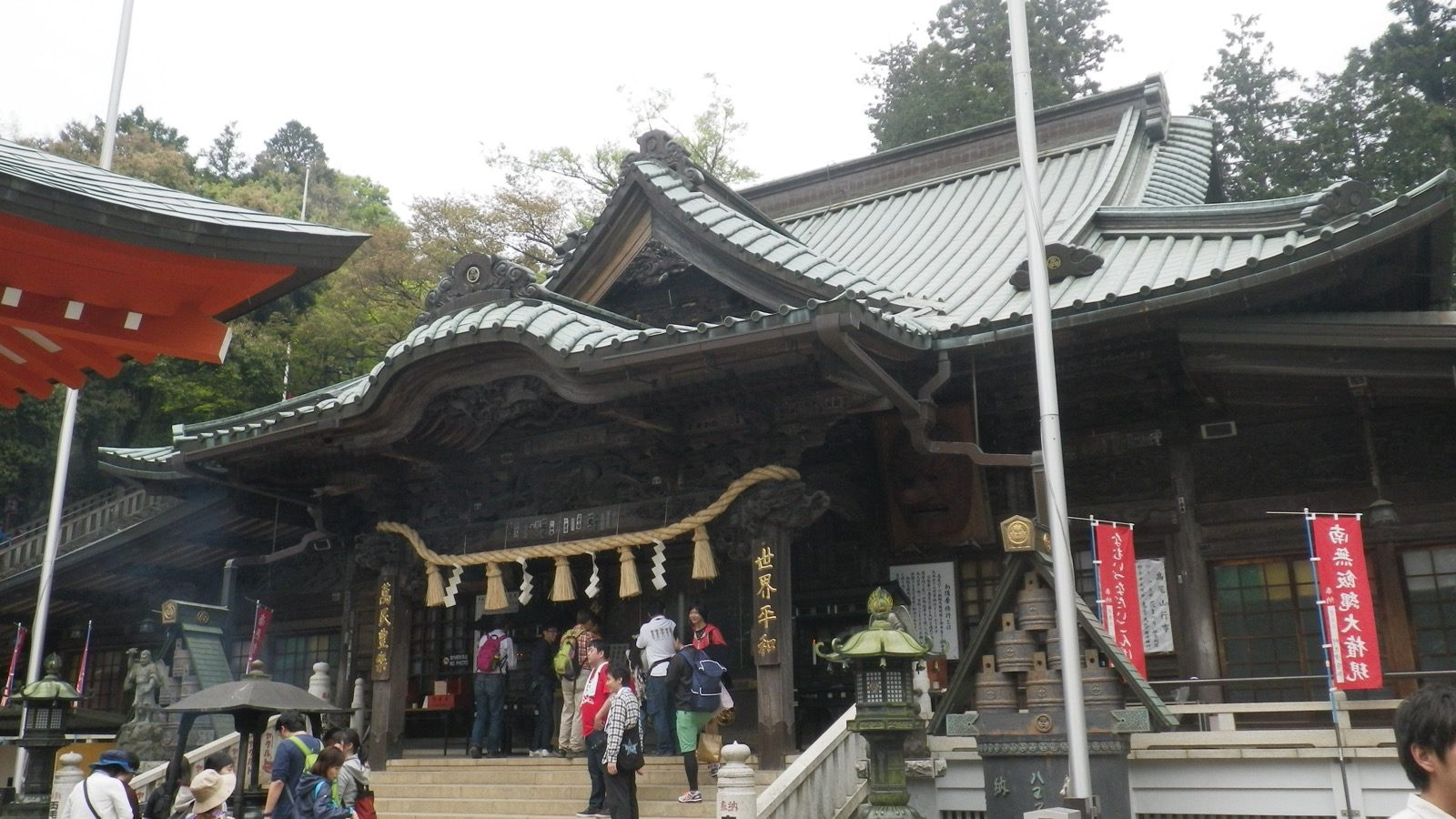
Located on the slopes of Mt. Takao, Yakuoin Temple has been a place of spiritual significance for over a millennium. Established in the 8th century, this temple is dedicated to the Buddha of healing and offers visitors a retreat amidst the mountainous landscape.
Yakuoin Temple, officially known as Takao-san Yakuoin Yuki-ji, represents a significant facet of Japan’s cultural heritage. Established in 744 by Emperor Shomu and founded by the Buddhist monk Gyoki, Yakuoin has long been a site of faith and healing. Affiliated with the Shingon sect’s Chizan branch, the temple exemplifies the historical blend of Buddhist and Shinto beliefs before their formal separation.
The temple complex includes culturally significant structures and statues, such as the main hall that venerates the principal deities Yakushi Nyorai and Iizuna Gongen, emblematic of the temple’s historical significance as a center for Shugendo. The Tengu-do Hall venerates the Tengu, mythical supernatural mountain protectors, while the Daishido and the Inner Sanctuary house Tokyo Metropolitan Cultural Properties, including a wooden statue of Fudo Myoo.
Yakuoin hosts various traditional ceremonies that maintain its role as a center of religious activity, such as the Gokaicho, Setsubun, Hiwatari festivals, and the Autumn festival. These events reflect the temple’s lively traditions.
Beyond its historical and religious value, Yakuoin’s grounds feature beautiful autumn colors, enhancing the peaceful atmosphere. Visitors can engage in goma fire rituals or try shojin-ryori, traditional Buddhist vegetarian food. The cedar-lined route to the temple is one of Hachioji’s eighty-eight scenic views, and the ascent to the temple, often starting with a cable car ride from Takaosan Station, is an integral part of the experience.
One unusual chapter of Yakuoin’s history was its involvement in a 1997 legal case addressing the principles of state and religion separation in Japan. The case focused on whether a Tokyo government official’s participation in a ritual at the temple, for a reduced fee, violated this principle. Ultimately court ruled that the event was more like a public spectacle than a religious activity, and thus, government participation did not breach the separation of state and religion.
Today, Yakuoin remains a revered place for spiritual practice and tourism, known for its historical architecture, which includes intricate carvings and colorful paintings. Its Eleven-Headed Kannon statue is among the many significant attractions for visitors seeking tranquility and cultural insight.
Planning Your Japan Trip?
Is a JR Pass Worth It For Your Route?
Honest Answer in 60 Seconds
A JR Pass doesn't always save you money (and for many routes, it's just extra hassle). Our free calculator works out the real numbers for your planned route, so you can decide for yourself.
Official Links
Getting There the easiest way to reach Yakuoin Temple
Planning a visit to Mt. Takao?
The Trundle Planner finds the best route to Yakuoin Temple for your itinerary. No searching required.
Try nowAround Yakuoin Temple
Nearby in Mt. Takao the best attractions close to Yakuoin Temple
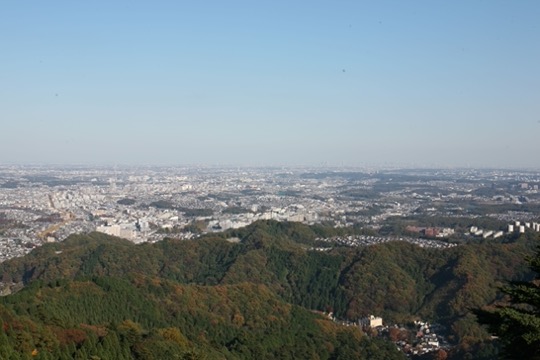
Mount Takao Observation Point
Sacred Summit with Panoramic Vistas of Tokyo and Mt Fuji
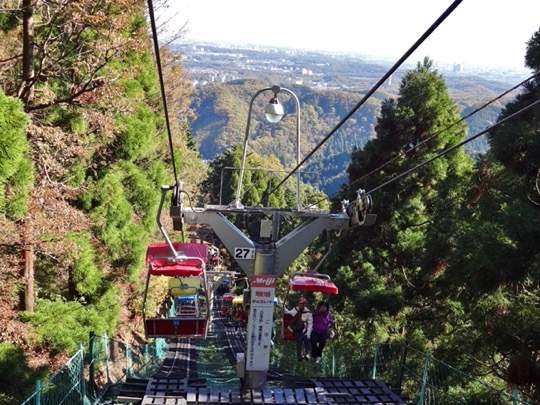
Takaosan "Echo" Chair Lift
A picturesque ascent to a Tokyo mountain peak via the Mt. Takao Chair Lift
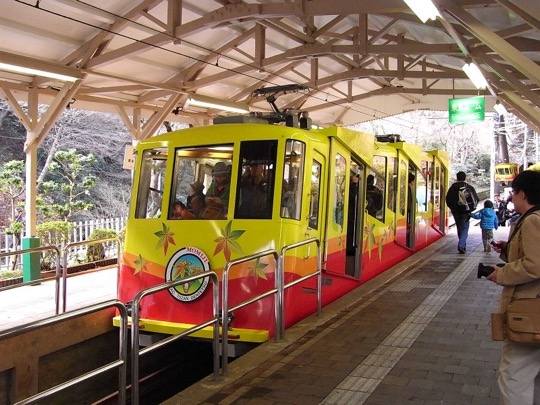
Takaosan Cable Car
Japan’s steepest cable car offers breathtaking natural vistas.
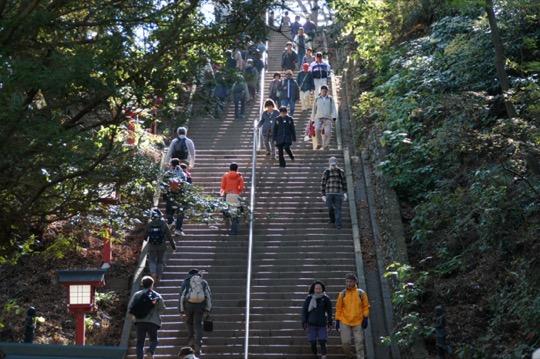
Takaosan Hiking Trail 1
A journey through the spiritual and natural landscape of Tokyo’s Mount Takao.
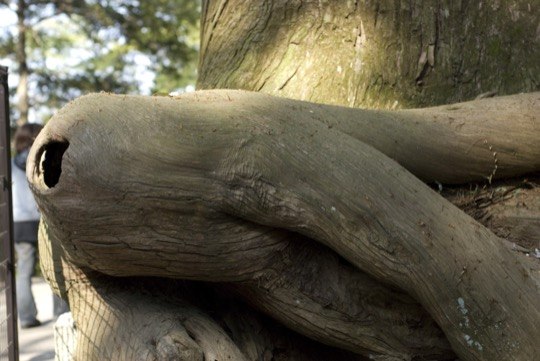
Takosugi Octopus Cedar
Revered octopus root cedar celebrated for its unique, natural tentacle-like appearance
Similar to Yakuoin Temple if you like Yakuoin Temple, you might also like
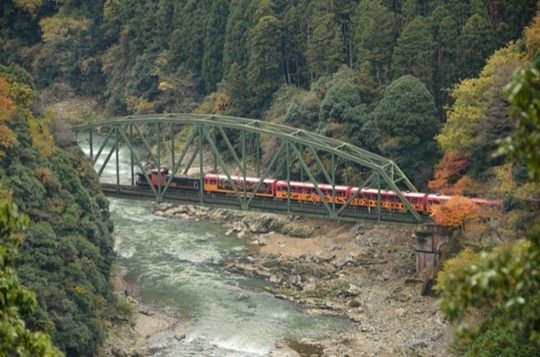
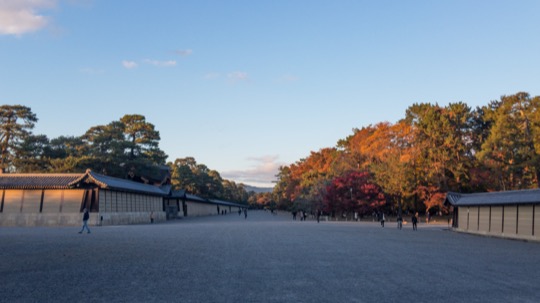
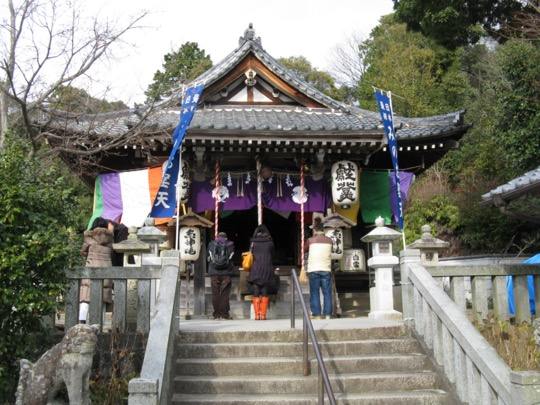
Shotengu Saikoji Temple
A nexus of spirituality and natural beauty, celebrated for its seasonal splendor and historical significance.
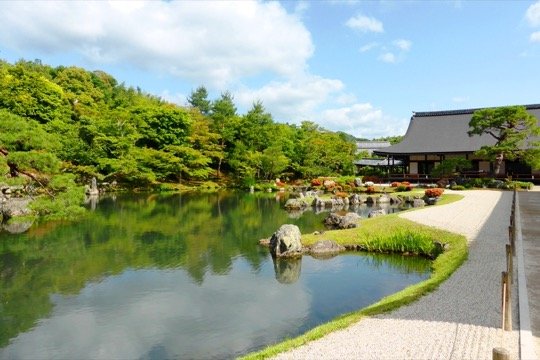
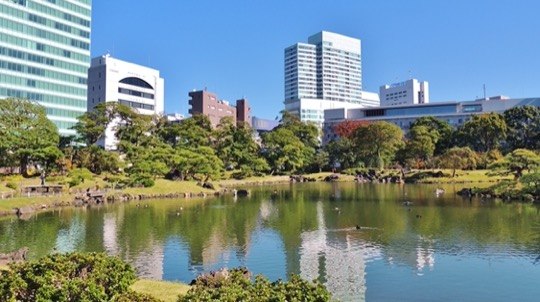
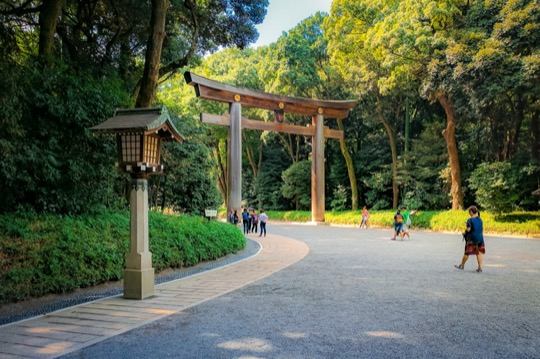
Meiji Jingu Shrine
A peaceful retreat dedicated to Emperor Meiji and Empress Shoken, nestled in Tokyo’s metropolitan landscape.
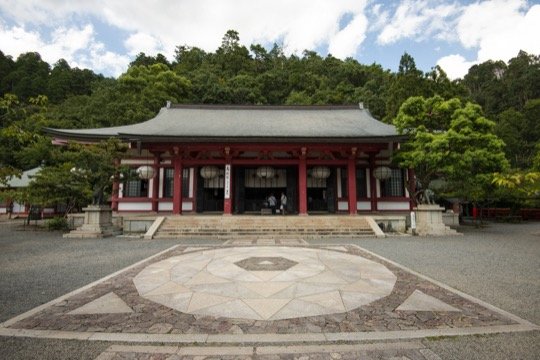
Kuramadera Temple
Ancestral home of warrior legends and a spiritual haven for over a millennium
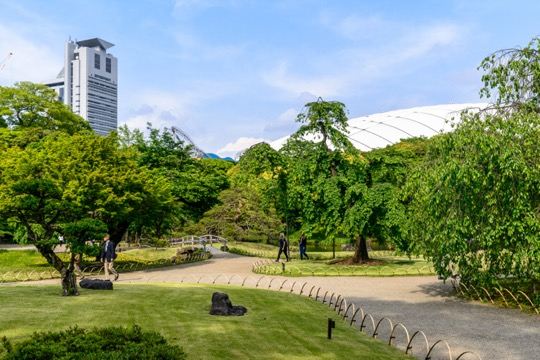
Koishikawa Korakuen Garden
Edo period retreat with Japanese and Chinese landscape influences