Shukkeien Garden
Historic “shrunken-scenery” garden, established by Asano Nagaakira in 1620.
On This Page
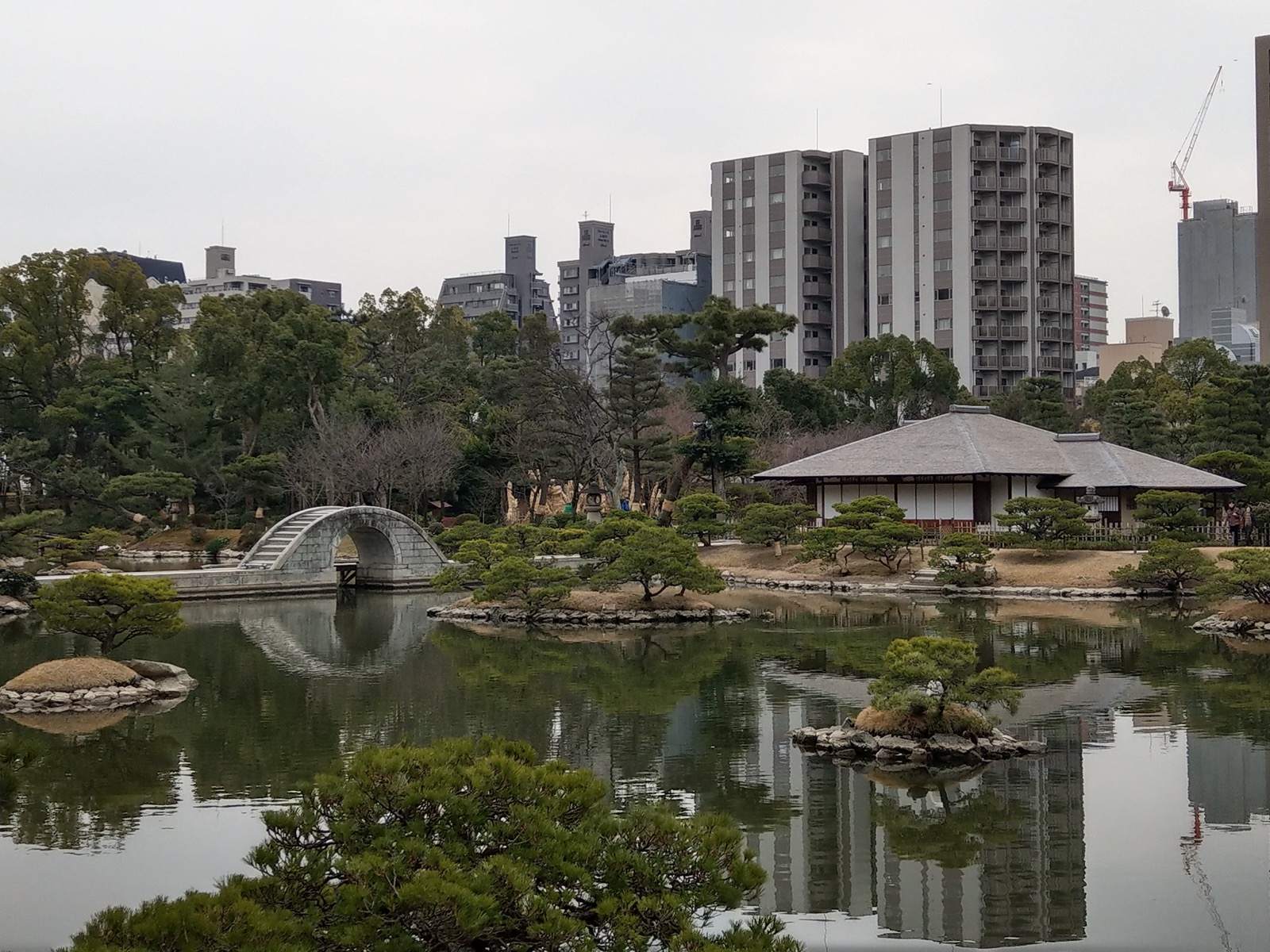
Shukkeien Garden, a historic Japanese garden in Hiroshima, encapsulates the essence of traditional landscaping from the Edo period. First established by Asano Nagaakira, a feudal lord, the garden’s name translates to “shrunken-scenery garden,” reflecting its miniature representations of natural beauty. Offering visitors a glimpse into Japan’s past and the resilience of its culture, Shukkeien is a beloved scenic spot.
In 1620, under the directive of Asano Nagaakira, the daimyō of Hiroshima, Shukkeien Garden began to take shape. Its design, showcasing the kaiyū-shiki-teien style, centers around a pond, inviting visitors to meander through a variety of landscapes, including forests, mountains, valleys, and waterfalls, all meticulously crafted on a miniature scale. Traditional Japanese architectural features, such as teahouses and a moon viewing pavilion, enhance the garden’s allure.
Throughout its history, Shukkeien Garden has experienced both grandeur and devastation. It served as the villa for the Asano family during the Meiji period, hosting Emperor Meiji. Yet, due to its proximity to the epicenter of the atomic bombing during World War II, the garden was heavily damaged. It became a refuge for those affected by the war and was restored and reopened to the public in 1951, symbolizing the enduring spirit of Hiroshima.
Adjacent to Shukkeien is the Hiroshima Prefectural Art Museum. The seasonal beauty of Shukkeien, from the cherry blossoms of spring to the colorful foliage of autumn, continues to attract both locals and tourists. The garden not only provides a peaceful retreat from urban life but also serves as a popular location for events.
Visitors are encouraged to follow the winding path that guides them through the diverse landscapes. The central pond and Kokokyo Bridge are among the highlights. Participating in a traditional tea ceremony can offer an authentic taste of Japanese culture. Although busier during peak seasons, Shukkeien generally maintains a quiet tranquility that makes it a restorative destination amidst the city’s pace.
In summary, Shukkeien Garden is a cherished example of Japanese garden artistry and a symbol of Hiroshima’s resilience through centuries of history. It offers visitors a chance to step back in time and appreciate the intricate beauty of a shrunken-scenery garden while reflecting on the city’s storied past and hopeful future.
Planning Your Japan Trip?
Is a JR Pass Worth It For Your Route?
Honest Answer in 60 Seconds
A JR Pass doesn't always save you money (and for many routes, it's just extra hassle). Our free calculator works out the real numbers for your planned route, so you can decide for yourself.
Getting There the easiest way to reach Shukkeien Garden
Planning a visit to Hiroshima?
The Trundle Planner finds the best route to Shukkeien Garden for your itinerary. No searching required.
Try nowAround Shukkeien Garden
Nearby in Hiroshima the best attractions close to Shukkeien Garden
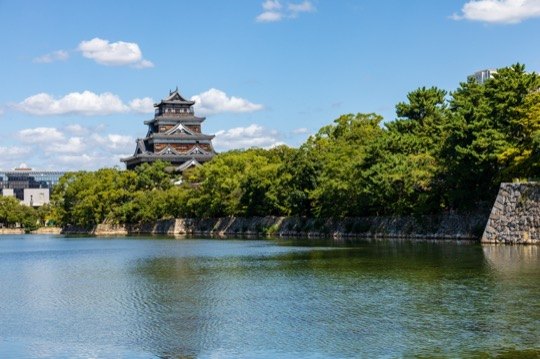
Hiroshima Castle
The Historical Seat of Power in Western Japan
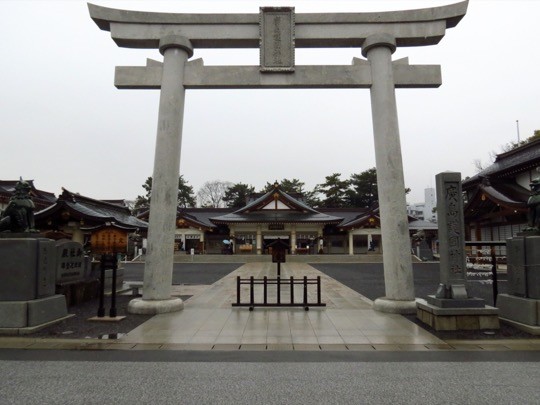
Hiroshima Gokoku Shrine
A place of remembrance for war casualties and a center for traditional celebrations.
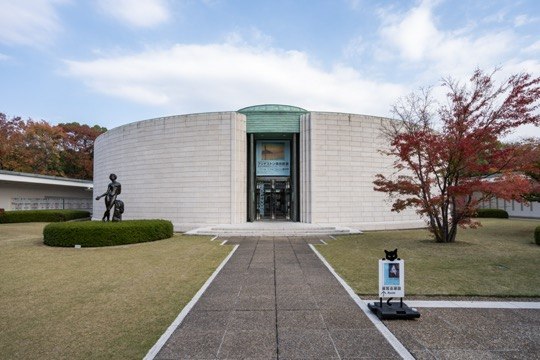
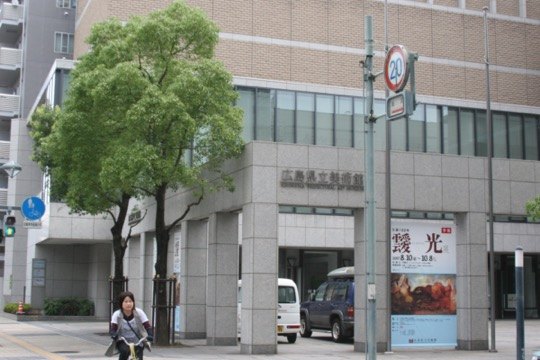
Hiroshima Prefectural Art Museum
Home to Japanese modernism and international masterpieces.
Similar to Shukkeien Garden if you like Shukkeien Garden, you might also like
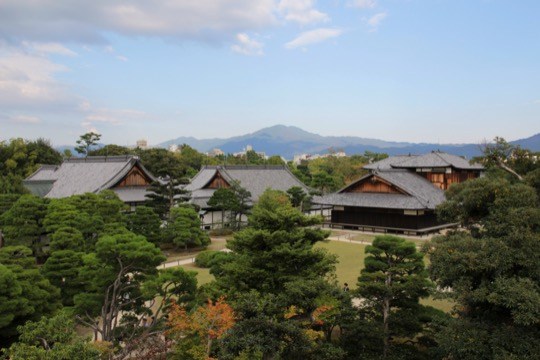
Nijo Castle
Imposing legacy of the Tokugawa Shoguns, featuring lavish interiors and historic gardens
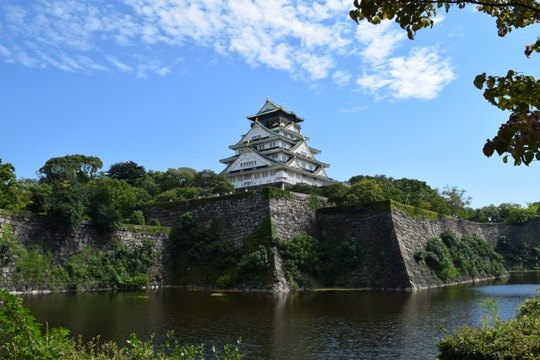
Osaka Castle
The Fortress of Toyotomi Hideyoshi, key to Japan’s unification in the 16th century
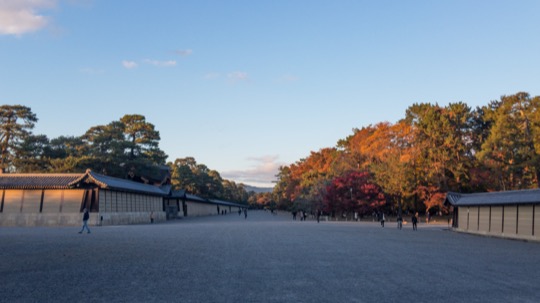
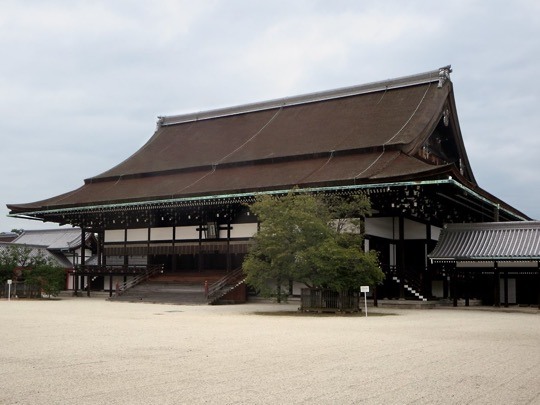
Kyoto Imperial Palace
Home to emperors and a focal point of Japanese architecture
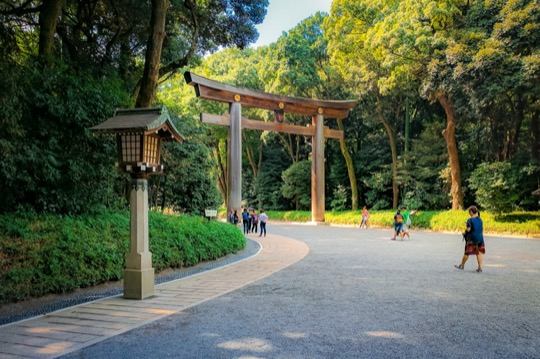
Meiji Jingu Shrine
A peaceful retreat dedicated to Emperor Meiji and Empress Shoken, nestled in Tokyo’s metropolitan landscape.
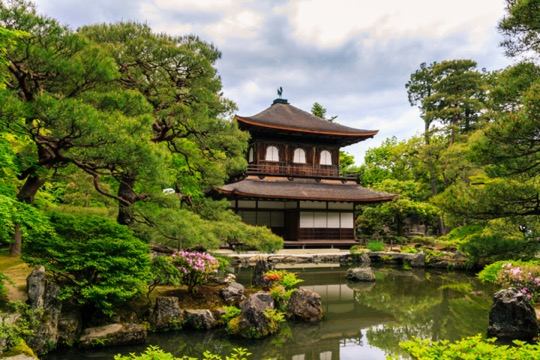
Ginkakuji
The Silver Pavilion: Reflecting the Artistic Splendor of the Ashikaga Shogunate